
Your teams have already put AI agents to work. Far fewer have decided who owns them, what they can reach, or how to stop one that misbehaves. That gap defines agentic AI security today, and permissions are accumulating faster than governance can track them.
Get a Free ServiceNow AI Readiness AssessmentServiceNow surveyed 3,766 security leaders across 20 countries and eight industries. Ninety percent reported an agentic security incident in the past year, yet only 36% of those contained it within 24 hours. Just 13% of organizations have a posture they can defend on demand.
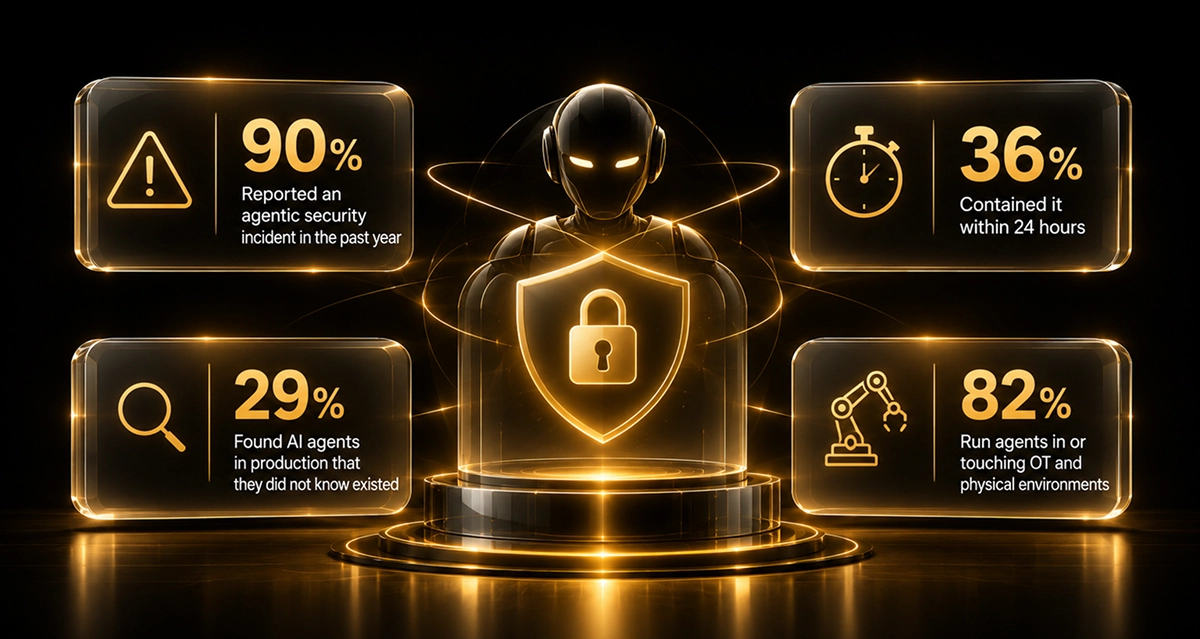 Controls are thin at the gates, too. Only 32% enforce a mandatory automated check before an agent deploys, and just 44% bring in security before development begins. Once agents are live, 66% cannot respond automatically when one behaves anomalously.
Connecting outside models changes the math. Action Fabric exposes ServiceNow workflows and approvals to external AI agents through the ServiceNow MCP Server, which Dotsquares reports is now generally available.
That is why integration design matters as much as model choice. Our guide to architecting ServiceNow with external AI and LLM platforms covers the patterns, and our Integration Hub practice is where those connections get built.Establishing a defensible agentic security posture requires disciplined execution across three foundational controls:
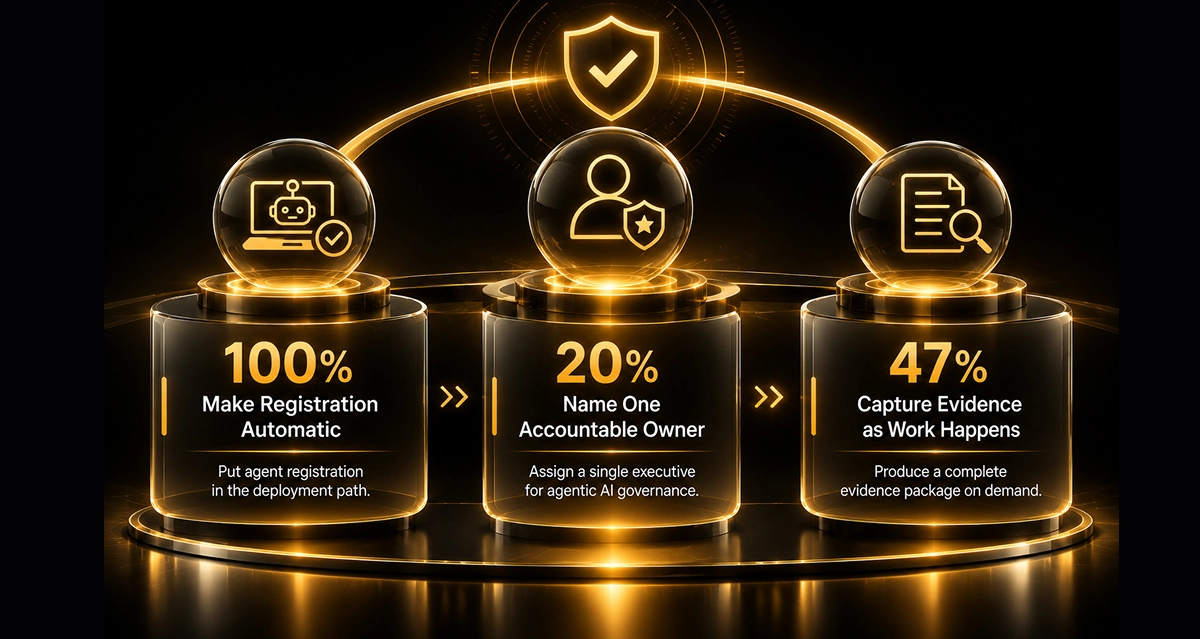
Agents will keep multiplying, so governance has to be built into deployment, not added after an incident. Start with inventory, ownership, and evidence, then extend the same discipline to every external model you connect. Mirroar’s consulting and managed services teams can help you map the gaps and sequence the fixes.
Talk to a ServiceNow Platform Architect


